The Basket Habit That's Quietly Ruining Your Air Fryer Results
Quick Answer: Overcrowding the basket blocks the hot air circulation that makes air fryers work in the first place — leaving even small gaps between pieces, rather than filling the basket for efficiency, is the single biggest fix for consistently soggy results.
You followed the recipe, set the right temperature, and still pulled out soggy, pale food instead of the crispy result you expected. Before blaming the recipe or the machine, check how the basket was actually loaded.
Why Air Fryers Need Airflow, Not Just Heat
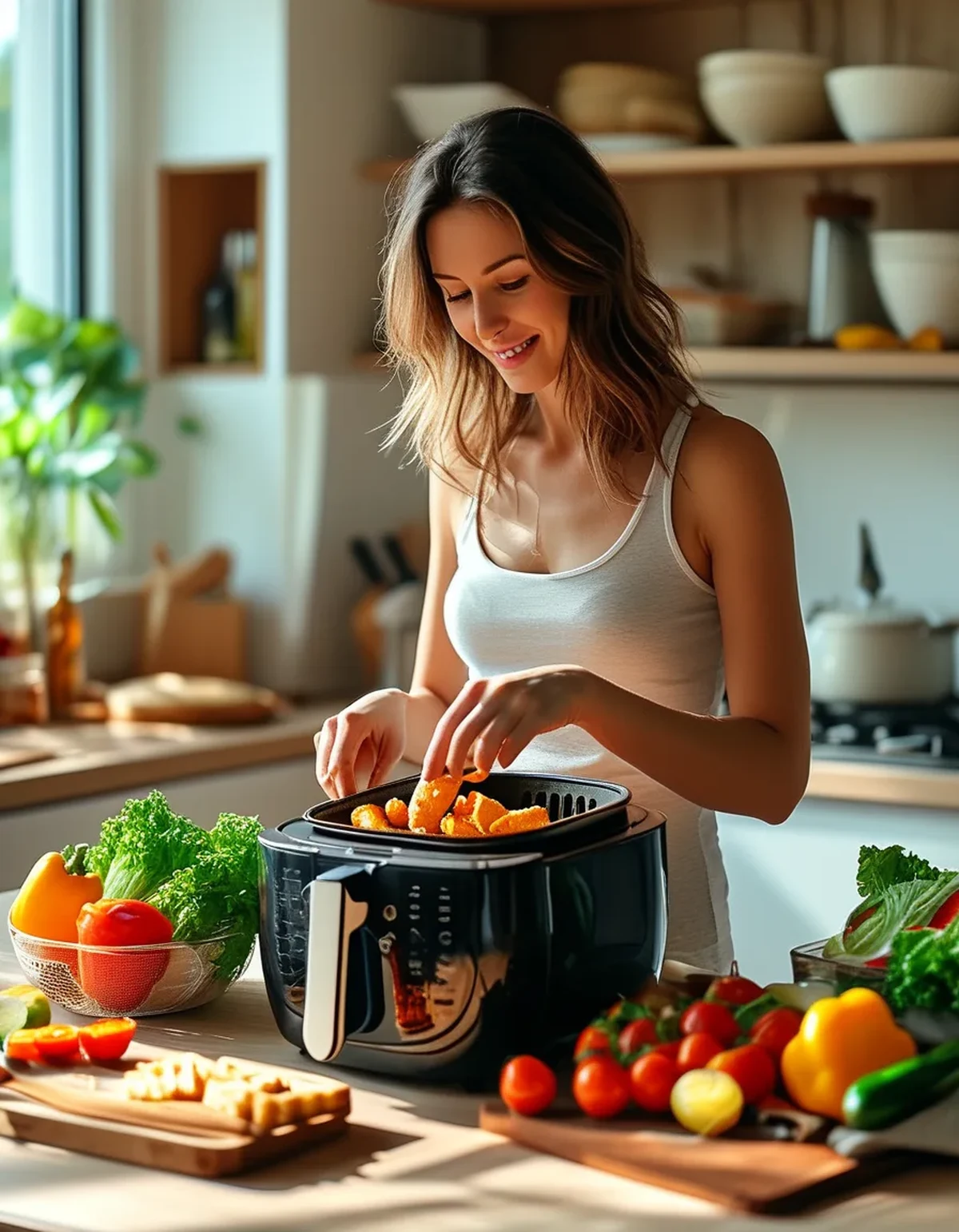
An air fryer is really a small, powerful convection oven — its crisping power comes from rapidly circulating hot air around every surface of the food, not just ambient heat like a regular oven. When pieces touch or overlap, air can’t reach the touching surfaces, and those spots steam instead of crisp, trapping moisture right where you wanted crunch.
The Single-Layer Rule (With One Exception)
As a default, food should sit in a single layer with visible gaps between pieces — not touching, not stacked. The exception is naturally airy foods like popcorn or leafy kale chips, which have enough gaps built into their shape that light overlapping doesn’t block airflow the same way solid pieces do.
Batch Cooking Without Losing Crispiness
If a recipe makes more than fits in a single layer, cook in batches rather than crowding one load — it takes a few extra minutes total, but each batch turns out properly crisp instead of every batch turning out mediocre. Keep finished batches warm in a low oven (200°F) while later batches finish, rather than trying to fit everything in at once.
How to Tell If You’re Overcrowding Before You Even Start
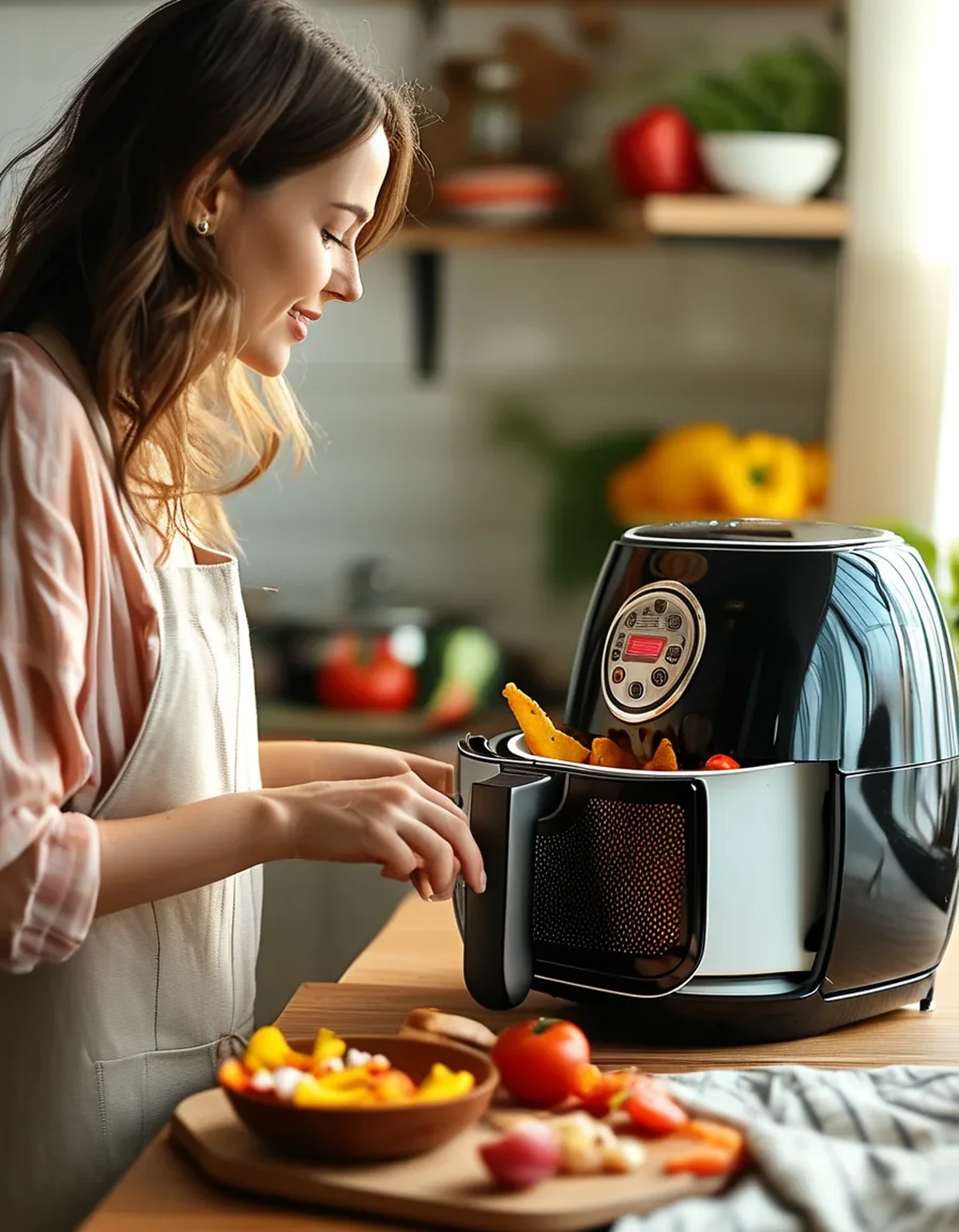
Before turning it on, look at the basket from directly above: if you can’t see basket surface between most pieces, it’s overcrowded. This 2-second visual check catches the problem before cooking rather than after pulling out a disappointing batch.
Shaking and Flipping Still Matters, But It’s Not a Fix for Overcrowding
Shaking the basket midway helps redistribute food for more even cooking, but it can’t compensate for a genuinely overcrowded load — pieces that were touching just end up touching different pieces after a shake. Proper spacing from the start matters more than mid-cook adjustments.
Myth vs Fact: Air Fryer Loading
Myth: A bigger air fryer solves crowding problems. Fact: a bigger basket just means bigger batches can be crowded too — the single-layer principle applies regardless of basket size.
Myth: Coating food in extra oil compensates for crowding. Fact: extra oil in a crowded basket often makes things soggier by trapping steam under an oily film rather than helping crisp it.
FAQ: Air Fryer Crispiness Questions, Answered
Does a rack or divider help with crowding?
Multi-layer racks help increase capacity somewhat, but each layer still needs its own airflow gaps — stacking dense food directly on top of other food without a rack blocks air the same way.
Why does frozen food seem more forgiving of crowding?
Frozen food releases moisture more slowly at first, delaying the soggy effect, but it will still underperform compared to a properly spaced batch by the end of cooking.
Is it worth buying a bigger air fryer just for capacity?
If you regularly cook for more than 2-3 people, a larger single-layer capacity saves real time versus running multiple batches in a smaller unit.
TL;DR:
- Airflow, not just heat, is what makes air fryers crisp food
- Keep visible gaps between pieces — don’t fill the basket for efficiency
- Cook in batches rather than crowding one load
- A quick top-down look before cooking catches overcrowding early
- Shaking helps evenness but can’t fix a genuinely overcrowded basket
If results have been inconsistent, check the basket before the recipe — most ‘why is my air fryer bad at this’ frustration traces back to airflow, not ingredients or temperature.
Keep Reading
This article is for general informational purposes only and is not medical advice. Always consult a qualified health professional for guidance specific to you.