The Air Fryer Beats the Microwave for Reheating - Except for These 5 Foods
Quick Answer: Reheat in an air fryer at a lower temperature than you cooked at - usually 150 to 175C - for 3 to 6 minutes, and anything with a crust or a fried surface comes back genuinely crisp. It fails on foods that rely on moisture: saucy dishes, rice, delicate fish, custards, and most steamed vegetables. Those still belong in the microwave or a pan.
The air fryer’s real superpower is not cooking from raw. It is undoing what the fridge did to yesterday’s dinner.
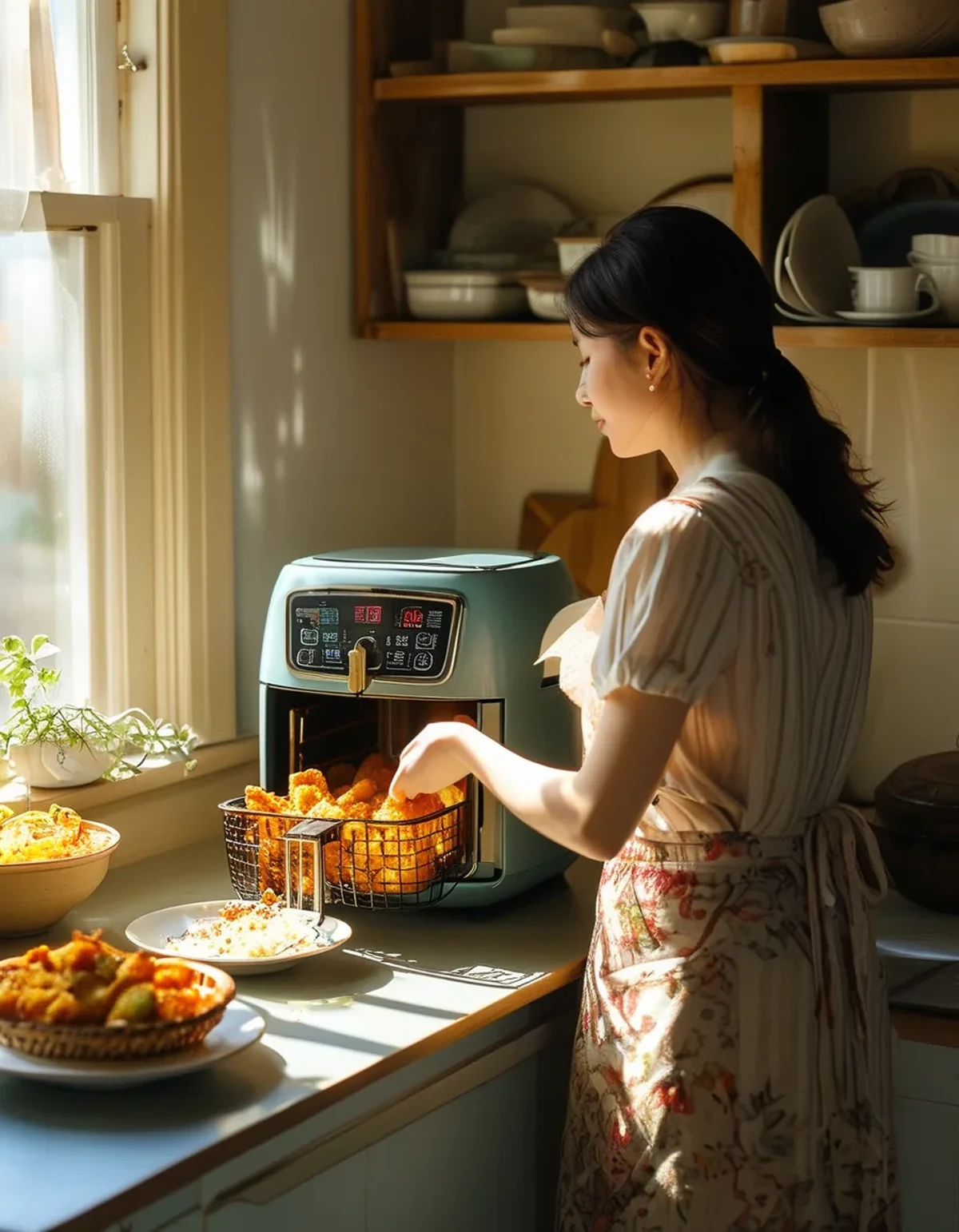
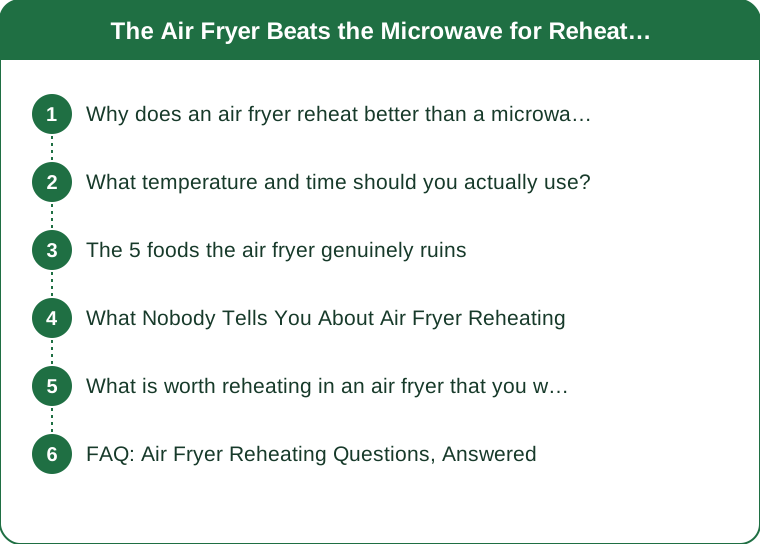
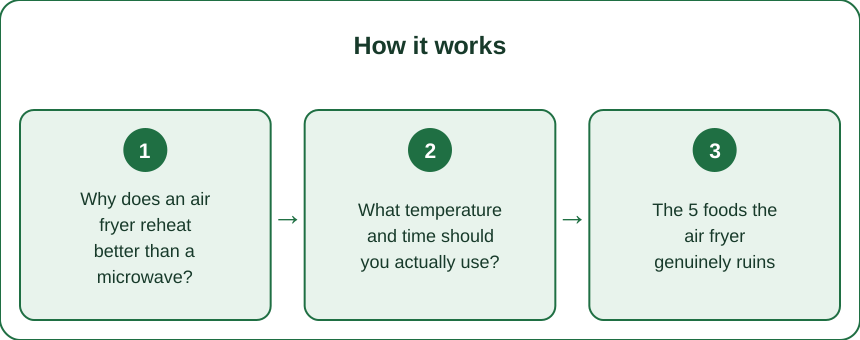
Why does an air fryer reheat better than a microwave?
Because the two appliances attack the food from opposite directions.
A microwave excites water molecules throughout the food. That heats the inside efficiently and quickly, and it also drives moisture toward the surface. That is exactly why a microwaved slice of pizza has a hot centre and a soft, damp base - the crust is being steamed from within.
An air fryer is a small convection oven. It moves hot air fast across the surface, which drives moisture away from the exterior. A surface that lost its crispness in the fridge gets it back, because the crispness was never destroyed - it was just rehydrated by moisture migrating outward overnight.
The practical rule: if what disappointed you about the leftovers was texture, use the air fryer. If what you want is simply hot food, fast, the microwave is fine and faster.
The trade-off is time and moisture loss. Three to six minutes rather than ninety seconds, and anything already dry will get drier. Which brings us to the failures.
What temperature and time should you actually use?
Lower than your cooking temperature, always. This is the mistake that ruins most reheating attempts.
The food is already cooked. You are warming the interior and driving moisture off the surface, and a high temperature browns the outside long before the middle is warm.
A working chart:
- Pizza: 160C, 3 to 4 minutes. Put it directly on the basket, not on foil, so the base gets airflow.
- Fried chicken: 165C, 5 to 7 minutes depending on piece size. Skin side up.
- Chips and roast potatoes: 175C, 4 to 6 minutes, shaken halfway.
- Pastry, sausage rolls, empanadas: 150C, 4 to 5 minutes. Lower because the fat in the pastry burns easily.
- Roast meat slices: 150C, 3 minutes maximum, and cover loosely with foil.
- Breaded items - schnitzel, fish fingers, croquettes: 175C, 4 to 5 minutes.
- Bread and pastries: 150C, 2 to 3 minutes, watching closely.
Do not preheat for reheating. A cold start gives the interior time to warm before the outside overcooks, which is the opposite of what you want when cooking from raw.
The 5 foods the air fryer genuinely ruins
1. Anything saucy. Curry, stew, bolognese, chilli. The airflow evaporates the sauce, concentrating it into something that scorches at the edges while the middle is still cold. If you must, put it in a small oven-safe dish, cover with foil, and accept it will take longer than the microwave for a worse result.
2. Rice and grains. Rice needs steam to soften back up, which is exactly what the air fryer removes. It comes out gritty at the edges. Microwave with a splash of water and a cover. The one exception is deliberately making crispy fried rice, which is a different dish and genuinely good.
3. Delicate fish. White fish and salmon go from warm to dry in about forty seconds of overshoot. A covered plate in the microwave at low power, or thirty seconds in a pan with a lid, both do better.
4. Custards, quiche fillings, and anything egg-based and soft. The high surface heat sets and cracks the top while the centre lags. Quiche is a borderline case - it works at 140C, covered, if the pastry is what you are rescuing.
5. Steamed or boiled vegetables. Broccoli, green beans, peas. They have no protective surface and dehydrate into something leathery. Roasted vegetables reheat brilliantly; steamed ones do not. The difference is whether there is a browned surface to restore.
The pattern across all five: if the food’s appeal depends on retained moisture, the air fryer is working against you.
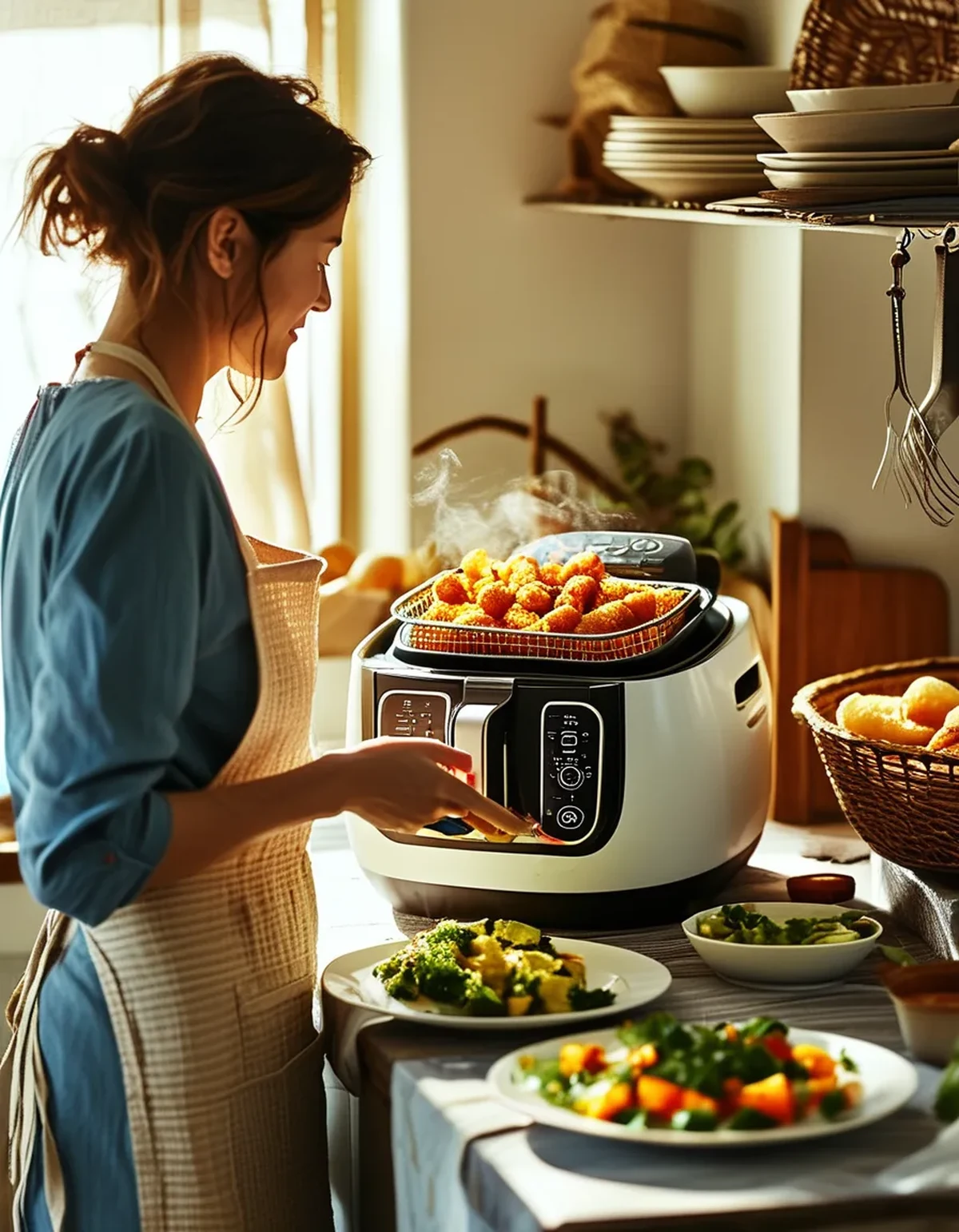
What Nobody Tells You About Air Fryer Reheating
Cold from the fridge beats room temperature. Counterintuitive, but a cold interior gives you more time to crisp the surface before the middle overheats. Taking leftovers out to warm up first actually makes reheating harder.
A light spritz of oil transforms breaded items. Coatings dry out in the fridge, and a fine mist of oil rehydrates them just enough to re-fry rather than just re-heat. A teaspoon is plenty for a basket.
Overlapping is worse for reheating than for cooking. When cooking, overlapping means uneven cooking. When reheating, the overlapped areas actively steam each other and come out soggy while everything else crisps - the exact failure you were trying to avoid.
Foil under the food defeats the point. It blocks airflow from below, which is where soggy bases need it most. Use a perforated liner or nothing.
And the one that catches everyone: leftovers reheat unevenly by shape, not by mass. A thick end and a thin end in the same basket means one is dry when the other is warm. Cut large pieces down to even thickness before reheating and most complaints about the air fryer disappear.
As always with reheated food, get it properly hot throughout, especially with poultry, rice dishes, and anything that has been in the fridge for a few days.
What is worth reheating in an air fryer that you would not expect?
A few things that are not obvious and are genuinely better than the original approach.
Day-old bread. Two minutes at 150C with a light flick of water on the crust brings a stale loaf back remarkably well. Eat within the hour - it stales again faster than fresh bread does.
Cold roast potatoes. Arguably better than they were on the day. 175C, 5 minutes, no oil needed since they already have some.
Leftover pizza crust ends, cut into strips and given 4 minutes at 175C, become an entirely acceptable snack with dip.
Cooked bacon. Two minutes at 160C and it is crisper than it was fresh, without the pan.
Roasted vegetables that went limp. Four minutes at 180C re-caramelises the edges. This is the one that most surprises people who assumed vegetables were on the banned list - roasted and steamed behave completely differently.
Takeaway spring rolls, samosas, and anything fried. This is the single best use case for the whole appliance. Five minutes at 175C and they are indistinguishable from fresh, which the microwave cannot come close to.
The organising principle throughout: restore a surface, do not rescue a moisture level.
FAQ: Air Fryer Reheating Questions, Answered
Do I need to preheat before reheating?
No, and you generally should not. A cold start lets the interior catch up before the surface overcooks. Preheating is for cooking from raw where you want an immediate sear.
Can I reheat straight from frozen?
For breaded and fried items, yes - use a lower temperature and roughly double the time. For anything saucy or dense, thaw first, since the outside will be well past done before the middle thaws.
Is it more energy efficient than an oven?
Generally yes for small portions, because there is far less air to heat and no long preheat. Against a microwave it uses more energy, so it is a texture decision rather than an efficiency one.
Why does my reheated food taste dry even when it looks fine?
Usually temperature too high or time too long. Drop 15 degrees and check two minutes earlier - reheating almost always needs less than people expect.
How do I stop small items flying around in the basket?
A metal rack or a perforated liner on top holds light items down. This matters for bread, herbs, and cheese toppings that would otherwise end up in the heating element.
TL;DR:
- Air fryers restore surfaces; microwaves restore heat. Choose by what disappointed you
- Reheat 15 to 25 degrees below your cooking temperature, 3 to 6 minutes, no preheat
- It fails on saucy dishes, rice, delicate fish, custards, and steamed vegetables
- Cold from the fridge reheats better than room temperature
- Even out thickness before reheating, do not overlap, and skip the foil
Once you sort leftovers by whether their appeal is a crust or a moisture level, the decision takes half a second and stops being a gamble. Fried, breaded, roasted, and baked go in the basket. Saucy, steamed, and soft go in the microwave. Almost every disappointing air fryer reheat is a food from the second list put in the first machine.
Keep Reading
This article is for general informational purposes only and is not medical advice. Always consult a qualified health professional for guidance specific to you.