Air Fryer Size Guide: Why the Wrong Capacity Wastes More Money Than the Appliance Itself
Most air fryer buying regret has nothing to do with brand or wattage — it comes down to capacity, bought either too small to be useful or too large to justify the counter space. Getting the size right matters more than almost any other spec on the box. Here is why capacity mismatches cause the most regret, how to size correctly for your actual household, and the real tradeoffs at each tier.
Why Capacity Mismatches Cause the Most Regret
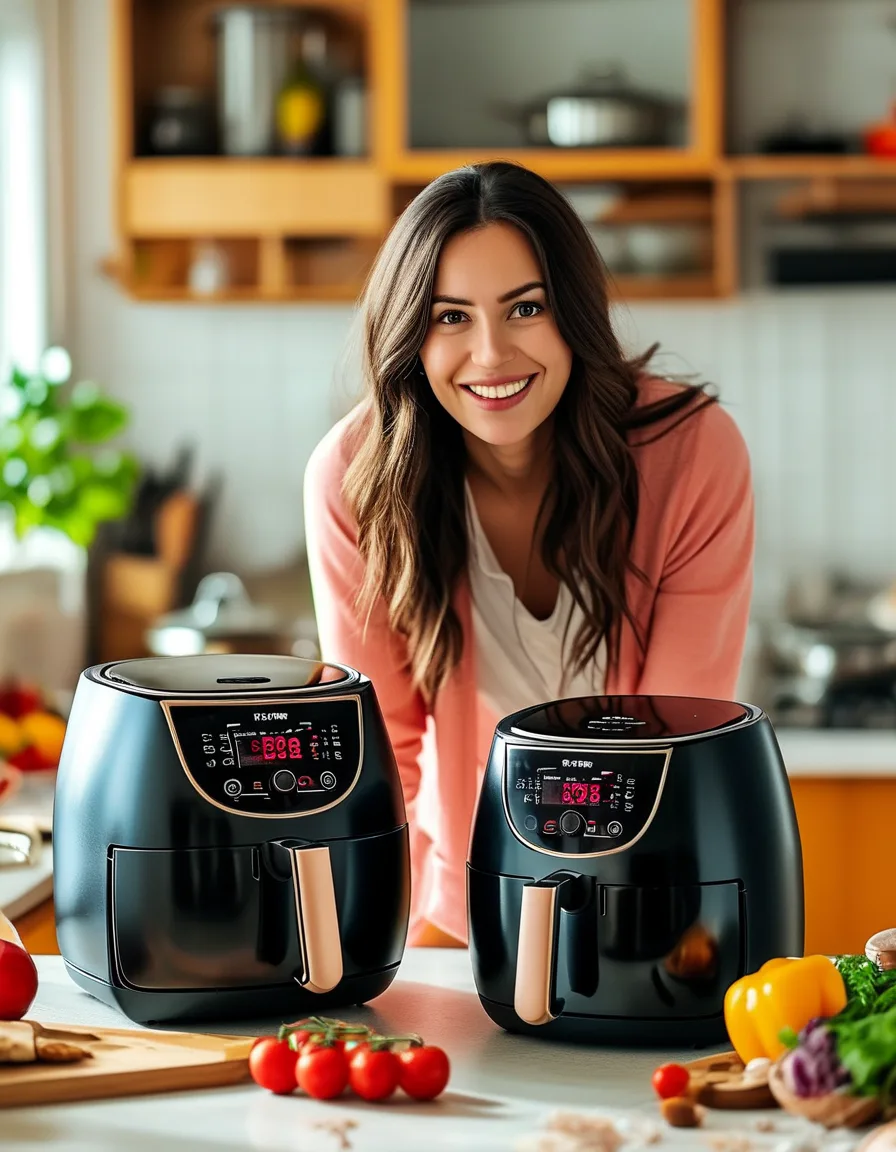
The hidden cost of guessing: the too-small-means-constant-batching (the undersized basket forcing multiple cooking rounds for a single meal, quietly erasing the appliance’s speed advantage from the air-fryer-batch-cooking-guide logic — the small-basket-cancels-the-time-savings), the the-too-large-wastes-counter-and-preheat-time (the oversized units taking longer to come to temperature and eating permanent counter real estate for meals that never need that much capacity — the bigger-isn’t-free-either), the the-return-and-rebuy-cycle (the sizing wrong the first time often leading to a second purchase entirely, doubling the actual cost — the the-real-cost-includes-the-redo), the the-recipe-yield-mismatch (the most air fryer recipes written for a specific capacity range, so a mismatched size means constant recalculating — the recipes-assume-a-size-you-may-not-have), the the-storage-regret (the a large unit that doesn’t fit in a cabinet becoming a permanent counter fixture regardless of how often it’s actually used — the size-affects-daily-kitchen-flow-not-just-cooking), and the reframe (the capacity decision as the single spec most likely to determine whether the appliance gets used daily or becomes clutter).
How to Size Correctly for Your Actual Household
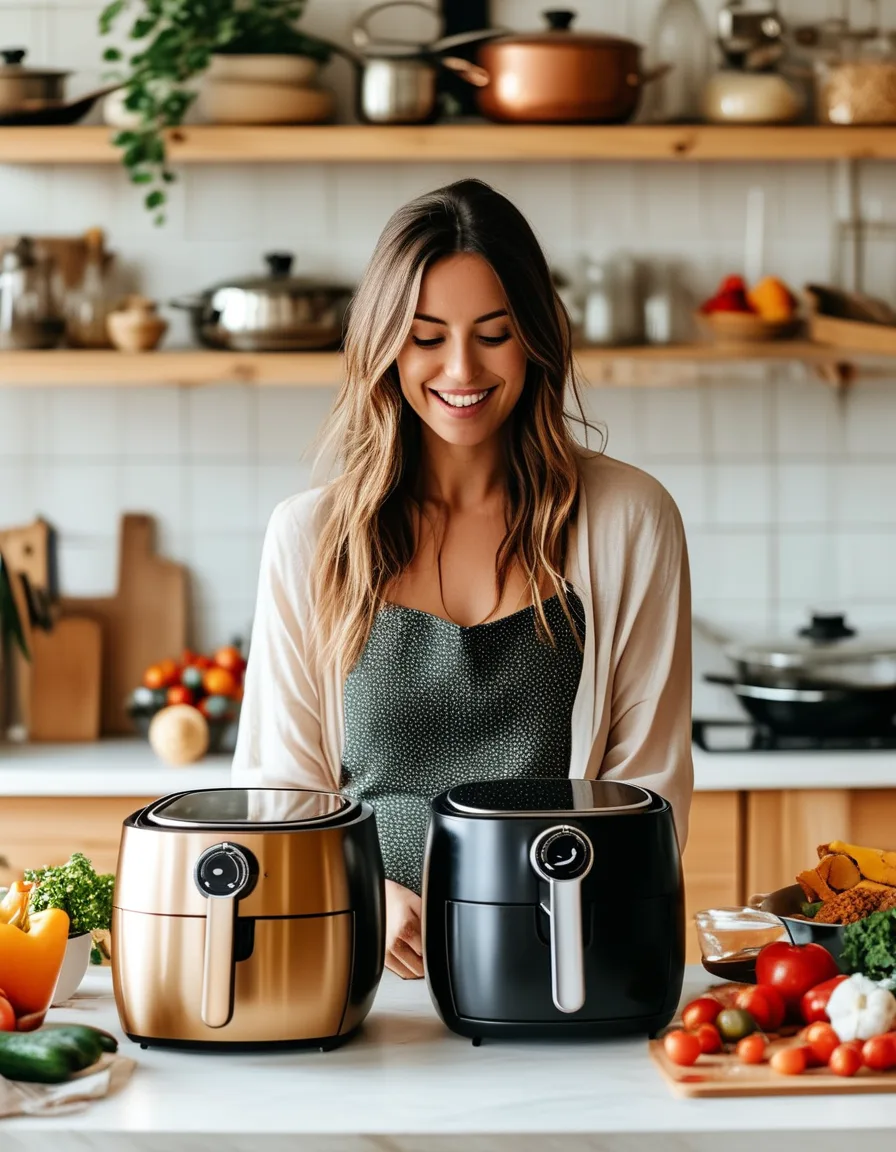
The realistic sizing logic: the count-people-not-appetite (the sizing for the number of people regularly eating from it, not for occasional large gatherings that happen a few times a year — the size-for-tuesday-not-thanksgiving), the the-two-to-three-quart-for-one-to-two-people (the smallest practical tier suiting a household of one or two who want single-serving speed — the solo-or-couple-tier), the the-four-to-six-quart-for-most-households (the sweet spot for a family of three to four covering most weeknight meals without constant batching — the the-realistic-default-size), the the-seven-plus-quart-for-larger-households-or-batch-cooking (the larger capacity justified specifically by regularly batch-cooking proteins for the week or feeding five or more — the size-up-for-a-specific-reason-not-just-in-case), the the-basket-shape-matters-too (the a wider, shallower basket often fitting more single-layer food than a taller one of the same stated capacity — the shape-affects-usable-capacity), and the frame (the sizing rule as counting actual regular eaters, defaulting to four to six quarts for most households, and sizing up only for a specific recurring need like weekly batch cooking).
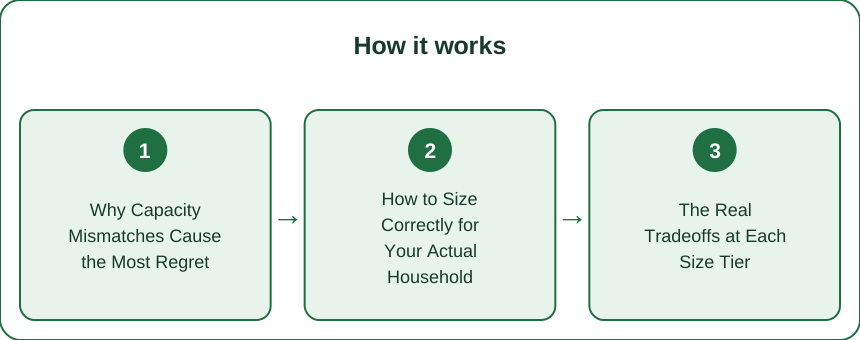
The Real Tradeoffs at Each Size Tier
What each tier actually costs and gives back: the small-tier-tradeoff (the fastest preheat and smallest footprint traded against frequent batching for anything beyond a single portion — the speed-per-item-vs-total-meal-time), the the-mid-tier-tradeoff (the best all-around balance traded against being slightly oversized for solo cooking and slightly tight for a full family meal in one round — the the-generalist-compromise), the the-large-tier-tradeoff (the genuine one-round family meals and better batch cooking traded against slower preheat, more counter space, and higher price — the capacity-costs-speed-and-space), the the-basket-vs-oven-style-tradeoff (the traditional basket units generally cheaper and faster to preheat, while oven-style multi-rack units offer more capacity in the same footprint at a higher price — the different-format-different-tradeoff), the the-wattage-scales-with-size (the larger capacity units typically needing more wattage to perform well, which affects both cook time and electricity use — the size-and-power-are-linked), and the frame (the honest tradeoff summary as smaller means faster but more batching, larger means more capacity but slower preheat and more space — there’s no size that avoids every tradeoff, only the one that matches your actual weekly cooking pattern).
Air fryer regret usually comes down to capacity, not brand — an undersized basket forces constant batching that erases the appliance’s speed advantage, while an oversized one wastes counter space and preheat time on meals that never needed that much room. The realistic sizing rule is to count the people who actually eat from it on a regular Tuesday, not occasional gatherings: two to three quarts suits one or two people, four to six quarts is the sweet spot for most three-to-four-person households, and seven-plus quarts is worth it only for a specific recurring need like weekly batch cooking or a larger family. Every tier has a real tradeoff — smaller means faster preheat but more rounds, larger means genuine one-round meals but slower preheat and a bigger footprint — so the right size is the one that matches your actual weekly cooking pattern, not the biggest one you can afford.
Keep Reading
This article is for general informational purposes only and is not medical advice. Always consult a qualified health professional for guidance specific to you.